The fur trade was a “middle ground” for both Indigenous and European cultures because there were benefits for both sides even though European power was spreading westward. Trading allowed for both parties to receive goods that they did not have and give goods that they had a good amount of. The power dynamic at the time was set between the Indigenous Tribes and the European powers. The Indigenous Tribes were not a complete nation and for them it was nearly impossible to defeat European power. This was due to the lack of smaller number in troops and also the fact that they did not have nearly the same amount of firepower compared to who they were fighting against. A lot of negotiations are involved with the fur trade, and the second one is with the United States of America. America had forts that were set up for trading with the Native Americans and they were battling with the Hudson Bay Fur Company. So, America created the American Fur Company. To gain the upper hand on the British, some of the fur trappers had some alliance strategies that helped them. One of the more popular and influential ones was marriage. This marriage was pretty common among fur trappers, “they would marry the daughters of chiefs to cement trading relations.” Biography – NATAWISTA – Volume XII (1891-1900) – Dictionary of Canadian Biography (biographi.ca)
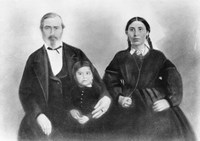
In the 1840’s, Alexander Culbertson was a chief trader for the Upper Missouri Outfit for the American Fur Company. To his right is Natawista, a princess of the Blood Clan of the Blackfoot Indians. Together they have a son named Joe and he is what they call a Metisse, a mixed cultured person. Normally it was very odd to marry outside your culture “but the intense competition between American and British traders for the Blackfoot trade” was the reason this marriage. Like I said, this was an alliance strategy to gain the upper hand on trading rights with certain Indigenous tribes like the Blackfoot. I believe that material culture is a very important part of the Fur Trade. The Fur Trade was a long time ago and it means a lot to the people that once lived on these lands before us. They are deemed historical documents because there is not much evidence left of what once took place. For example, Andrew Foster was a British officer, and he was given an Anishinaabe outfit that was part of a ritual trade. This piece of clothing/historical document of the past still exists today and is important to show the things that were traded or given as gifts back in the past before our country became what it is today.